Security Testing Services for WordPress, WooCommerce, and Web Applications

Security testing services identify exploitable weaknesses, insecure configurations, and application-level attack paths before production exposure grows. Our security testing services help agencies, business owners, and IT teams validate WordPress, WooCommerce, and web application risk before launch, major updates, or compliance reviews.

Find My Site’s Vulnerabilities

What Our Security Testing Services Cover

Our security testing services focus on real exposure points across applications, commerce environments, and production websites. Each engagement combines manual validation, targeted analysis, and web application security testing services that help reduce risk before launch.
WordPress Vulnerability Assessment

WordPress Vulnerability Assessment

We review WordPress core, plugins, themes, and server configurations for CVEs, insecure permissions, and unsafe implementation patterns. This WordPress vulnerability assessment helps identify risk before attackers begin automated probing.
Penetration Testing

Penetration Testing

We perform manual penetration testing to validate whether discovered weaknesses are actually exploitable. This helps separate theoretical findings from practical production risk.
WooCommerce Security Testing

WooCommerce Security Testing

We test checkout flows, payment handling, customer accounts, and transactional logic. WooCommerce security testing helps reduce exposure to sensitive customer, billing, and order data.
Authentication & Access Control Testing

Authentication & Access Control Testing

We assess session handling, password controls, privilege boundaries, role mapping, and access escalation paths. This helps uncover weak authentication flows that often create high-impact risk.
API & Web Service Testing

API & Web Service Testing

Our web application security testing services validate request handling, token logic, API input validation, and endpoint exposure. This helps identify hidden attack surfaces across connected applications and integrations.
Compliance Validation

Compliance Validation

We review technical controls against practical security requirements tied to recognized frameworks such as PCI DSS and OWASP. This helps businesses understand gaps before audits, procurement reviews, or vendor assessments.
Our Numbers Speak Louder Than Promises Made

0+

Countries Served

0+

Happy Clients

0+

Projects Completed

0+

Years of Experience

Security Reports Your Clients Will Trust Under Your Brand

Agencies shipping WordPress and application projects do not need raw scanner exports. They need independent security testing services that support client confidence before launch or major updates.

We provide structured white-label security testing with documented findings, remediation priorities, and retest validation while you retain control of client communication. This helps agencies deliver technically credible security reports under their own brand.

  • End-to-end security testing services structured for client-facing reporting
  • Severity-based findings with remediation priorities and validation notes
  • Scales across multiple projects without increasing internal delivery overhead
Start Your Security Review
Security Reports Your Clients Will Trust Under Your Brand
What Happens When Security Testing Is Skipped
The exposure usually stays hidden until production traffic increases. What security testing companies repeatedly observe is preventable risk that grows quietly until one vulnerability becomes a business incident.
Site Hacked After Launch

Site Hacked After Launch

Unpatched plugins, insecure code paths, and weak authentication often create attack surfaces immediately after launch. WordPress penetration testing helps identify those paths before automated exploitation begins.

Google Blacklist & SEO Wipeout

Google Blacklist & SEO Wipeout

Malware injection can trigger browser warnings, search deindexing, and traffic loss. Recovery often takes weeks, even after remediation is complete.

Customer Data Stolen

Customer Data Stolen

SQL injection, broken access control, XSS, and CSRF can expose customer records, account data, and payment-related information. Web application security testing services help identify these weaknesses before attackers reach them.

PCI Compliance Failure

PCI Compliance Failure

Payment-related systems require defined security controls, validation, and evidence of risk management. Missing technical safeguards often create audit failure and operational exposure.

Legal Liability

Legal Liability

Data exposure can trigger breach notification duties, contractual disputes, and legal claims. Technical remediation usually represents only part of the total cost.

Agency Client Loss

Agency Client Loss

Clients expect secure launches and controlled delivery. A preventable security incident often damages long-term trust and future project retention.

Our 4-Step Security Testing Methodology

1
Requirement Analysis
Reconnaissance

We map application structure, exposed endpoints, authentication surfaces, and likely attack paths. This establishes testing priorities before deeper validation begins.

2
Scope Validation
Manual Security Testing

We perform manual testing across application logic, access control, input handling, session management, and transactional workflows. This helps identify issues automated tools often miss.

3
Design & Development
Vulnerability Report

We document confirmed findings with CVE references where applicable, severity classification, reproduction context, and remediation guidance. This gives internal teams clear action priorities.

4
Launch, Testing & Support
Remediation Retest

After fixes are applied, we retest affected areas to confirm closure of vulnerabilities and verify that no new exposure was introduced.

Not Sure Which Security Tests Your Site Actually Needs?

Different applications expose different attack surfaces. Our security testing services identify 98% of exploitable issues before attackers do, helping you focus on real exposure instead of assumptions.

Book a Free 30-Min Call
Tools and Frameworks Behind Every Security Test We Run

We use a structured validation stack across every engagement to keep testing repeatable, evidence-based, and technically grounded. These tools support discovery, exploitation validation, WordPress malware scanning, and remediation review across web application security testing services.

Proxy & Traffic Analysis
Ready to Know If Your Application Is Actually Secure?

Security testing services give you verified visibility into exploitable weaknesses before they become production incidents. We test WordPress environments, WooCommerce workflows, APIs, authentication logic, and application behavior so you can prioritize remediation using evidence instead of assumptions.

Get Your Security Testing Proposal
How Can We Help You?
What Sets Us Apart

We combine technical excellence with real business impact.

Invisible Partner

Highly Recommended

Trusted by clients, loved by all.

Quality Process

B2B-Savvy

Secure, NDA-compliant solutions for B2B

Expertise icon

Problem Solvers

No challenge is too big to solve.

Setting

Client-Centric

Your success is at the heart of our work.

Our Work Speaks—But Our Clients Speak Louder
headless woocommerce with nextjs
September 17, 2026 |10 min read
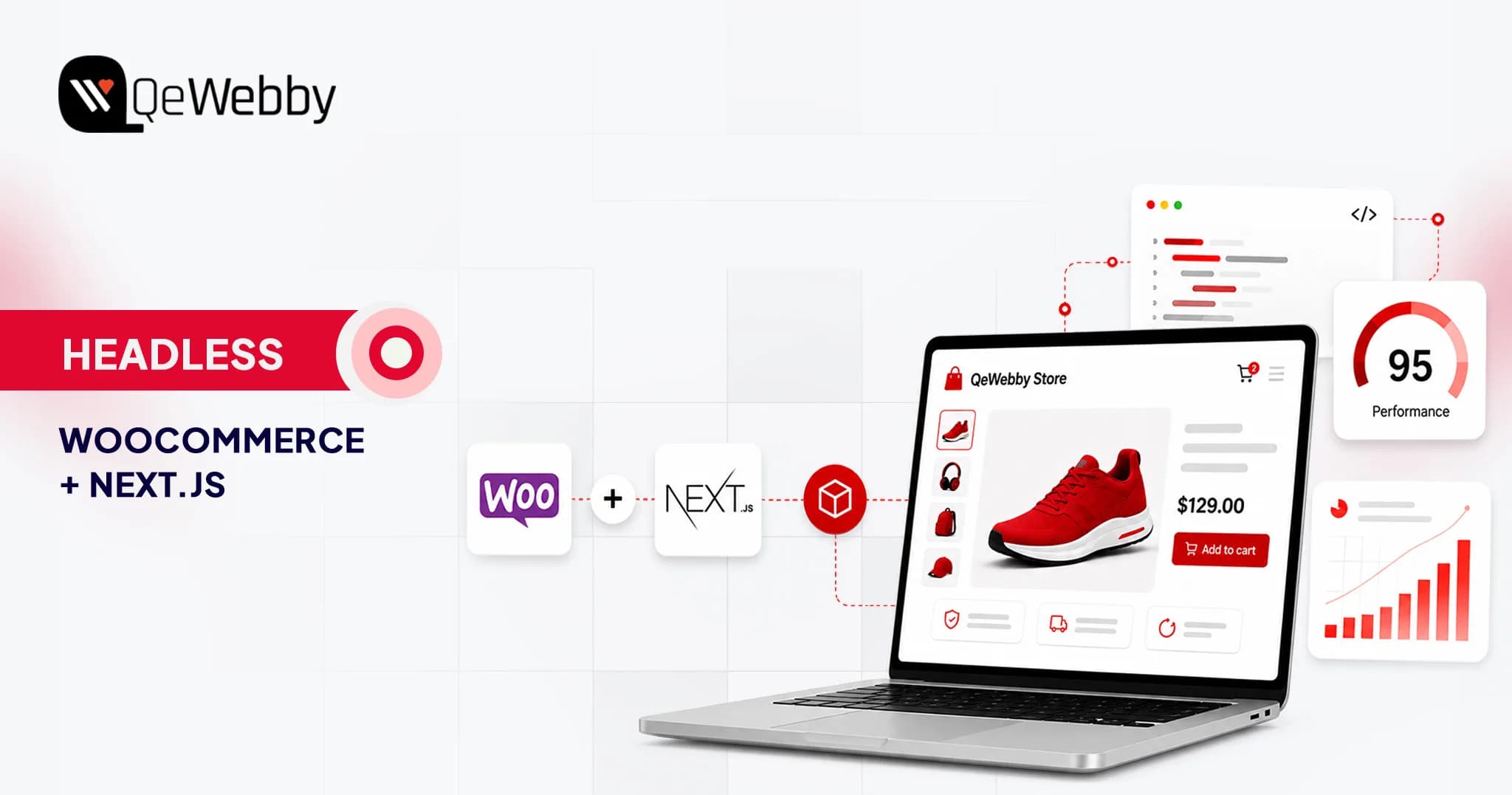
Headless WooCommerce With Next.js: A Practical Guide to Cost, Performance & Migration
For high-volume ecommerce stores, site performance can have a measurable impact on engagement and conversion. As catalogs, integrations, and traffic...
Learn More
optimize website for ai search
September 17, 2026 |10 min read
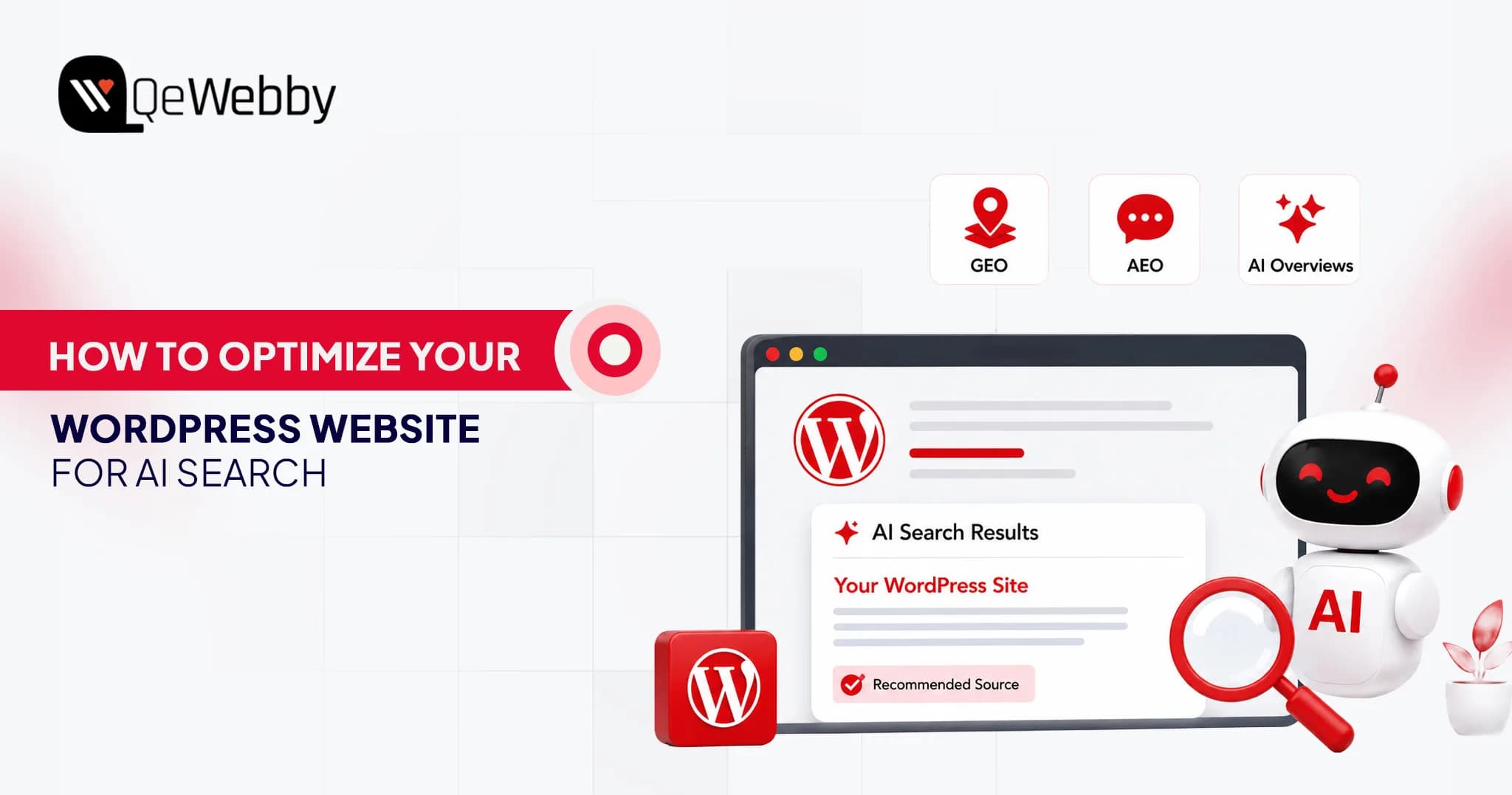
How to Make Your WordPress Site Visible in AI Search (AEO, GEO & AI Overviews)
The way people search for information has changed significantly over the past few years. Instead of typing short keywords and...
Learn More

FAQs

Security testing services evaluate websites, applications, APIs, and related systems for vulnerabilities, insecure configurations, and exploitable weaknesses. The goal is to identify technical risks before attackers can use them in production. A typical engagement may include WordPress security testing, vulnerability assessment, penetration testing, authentication review, access control validation, and input handling analysis. Deliverables usually include confirmed findings, severity ratings, affected components, and remediation guidance that supports structured risk reduction.

Security testing cost depends on application size, complexity, integrations, authentication flows, and testing depth. Smaller WordPress sites usually require a narrower review scope, while WooCommerce environments often require broader validation around customer accounts, payment workflows, and transactional logic. Security testing companies may price projects differently depending on whether testing includes manual penetration testing, API validation, or remediation retesting. Custom plugins, third-party integrations, and multi-environment deployments usually increase assessment time and cost.

Vulnerability scanning uses automated tools to identify known weaknesses, outdated components, and common configuration issues. It provides broad visibility but limited contextual validation. Penetration testing goes further by manually determining whether discovered weaknesses are actually exploitable in realistic attack conditions. Web application security testing services often combine both methods. Scanning helps with discovery, while penetration testing validates business logic flaws, chained attack paths, privilege escalation, and practical production impact.

Several security and privacy frameworks require periodic technical validation. PCI DSS requires testing around payment-related environments, vulnerability management, and control verification. SOC 2 often expects evidence of risk management, monitoring, and security review processes. ISO 27001 may require technical validation within broader information security programs. Vendor procurement reviews and enterprise contracts may also require formal testing evidence. Requirements vary by industry, transaction type, data sensitivity, and contractual obligations.


OWASP, the Open Web Application Security Project, is a widely used security reference framework focused on application risk. It documents common attack classes, including broken access control, injection flaws, insecure design, XSS, and authentication weaknesses. For WordPress security testing, OWASP provides a structured testing model that improves consistency across technical reviews. It helps testers focus on real application risk instead of relying only on automated signatures or isolated vulnerability databases.

Security testing should run regularly and after major application changes. Common triggers include new feature releases, plugin changes, payment workflow updates, infrastructure migration, or authentication redesign. Many organizations schedule formal testing at least once each year, while higher-risk applications often test more frequently. Internet-facing systems with customer accounts, payment processing, sensitive data, or API dependencies generally require shorter testing intervals because exposure changes continuously over time.

We're Here to Help

Get the professional WordPress solutions your business needs. Contact us through the form or call (209) 813-4009 – we’ll get in touch to arrange a free initial consultation!
girl